


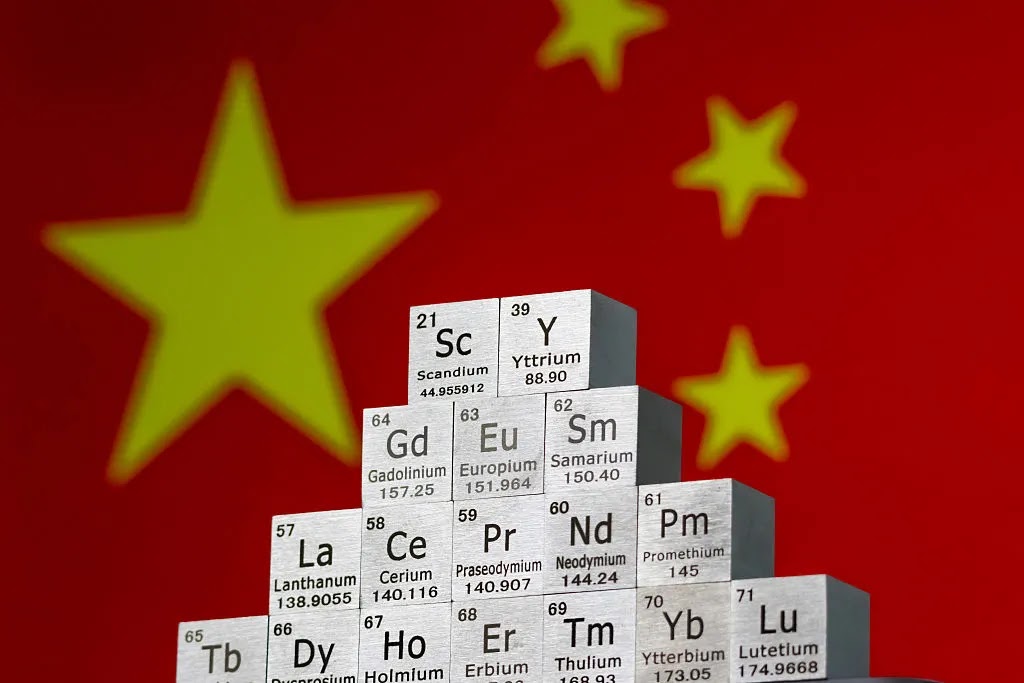
China Tightens Export Controls On Rare-Earth Minerals Once Again
China tightens export controls on rare-earth minerals once again, escalating global concerns over chip supply chains and tech independence. As the race for faster semiconductors and cleaner energy accelerates, this move could shake industries from EV batteries to defense technology.
Image Credits:Cheng Xin / Getty Images
New Export Restrictions Target Strategic Materials
On Thursday, China’s Commerce Ministry announced new export controls covering five additional rare-earth elements and related mining technologies. This brings the total to twelve, under the justification of “safeguarding national security.”
Foreign producers will now need to apply for export licenses if their products contain even trace amounts of Chinese-origin rare-earth minerals or use mining or refining technologies developed in China.
Licensing Rules and Exemptions
The new system includes strict conditions. Defense organizations will not be granted export licenses, while semiconductor manufacturers will face case-by-case reviews before approval. However, humanitarian exports—such as those for disaster relief or public health emergencies—will remain exempt.
China’s Rare-Earth Dominance and Global Leverage
As the world’s largest producer of rare-earth minerals, China continues to use its dominance as a powerful bargaining chip. These materials are essential for manufacturing semiconductors, electric vehicle batteries, wind turbines, and aerospace components.
By tightening export controls again, Beijing signals that it’s willing to mirror U.S. restrictions—especially as Washington expands limits on chipmaking equipment and advanced chips heading to China.
Echoes Of The U.S. Foreign Direct Product Rule
China’s latest move mirrors the U.S. Foreign Direct Product rule, which the Biden administration strengthened to curb China’s access to advanced chip technologies. In effect, Beijing’s rare-earth export crackdown could be seen as a countermeasure, adding pressure on U.S. and allied manufacturers who depend on these materials.
This announcement follows a similar action in April, when China added several rare-earth minerals to its export control list in response to earlier U.S. tariffs, triggering a short-lived but severe supply shock worldwide.
Global Impact: Supply Chains On Edge
Analysts warn that these export controls could disrupt global production in high-tech sectors. Semiconductor firms, EV makers, and renewable energy manufacturers may face new challenges sourcing critical minerals. The timing—amid rising U.S.-China trade tensions—suggests a deeper strategic play rather than a mere economic policy.
As China tightens export controls on rare-earth minerals once again, global industries may need to accelerate diversification efforts—seeking alternative suppliers or domestic production—to reduce dependency on Beijing’s mineral exports.