

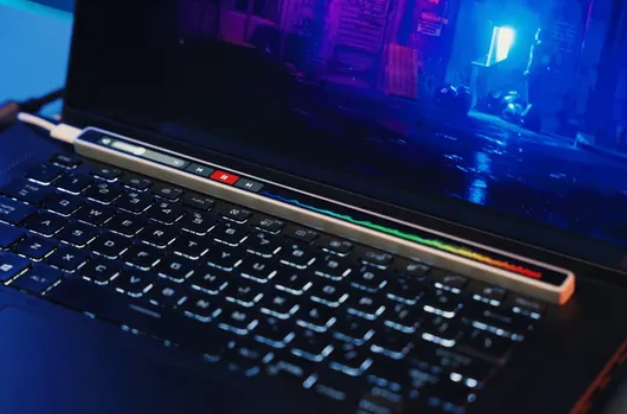
Apple’s Touch Bar, once a promising innovation on MacBook Pros, ultimately fell short. However, a team of engineers is determined to revive the concept with the Flexbar, a standalone touchscreen device offering greater flexibility and customization.
A Second Chance for the Touch Bar
Eniac, a newly formed company, has launched a Kickstarter campaign to bring the Flexbar to market. This device, essentially a standalone version of the MacBook Pro’s Touch Bar, connects via USB to various devices, including Windows and macOS laptops, as well as tablets. Early backers can secure a discounted price of $119, with deliveries expected as early as February 2025.
Key Features and Advantages
Versatility: The Flexbar can be positioned horizontally or vertically, adapting to different workflows and screen sizes.
Customization: Users can create custom buttons, shortcuts, and interfaces using FlexbarDesigner, a dedicated software tool.
Dynamic Functionality: The device seamlessly integrates with various applications, offering context-specific controls.
Platform Independence: Compatible with Windows, macOS, and mobile devices.
Overcoming the Challenges
While the Flexbar promises significant advantages, it’s essential to address potential challenges:
Screen Supply: Ensuring a reliable supply of uniquely sized 10-inch 2K OLED screens is crucial.
Software Integration: The Flexbar’s success hinges on seamless integration with various software applications.
User Adoption: Convincing users to embrace a new input method and adjust to a learning curve.
Conclusion
The Flexbar represents a bold attempt to revitalize the Touch Bar concept. With its potential to enhance productivity and streamline workflows, it could become a valuable tool for creative professionals and power users alike. However, its ultimate success will depend on its ability to deliver on its promises and gain widespread adoption.